Hair Loss

Are You Losing Your Hair?

Most people, both male and female, lose some hair as they get older…. As we’ve seen with the recent royal wedding, even the most handsome prince can lose his luster without a lush head of hair.

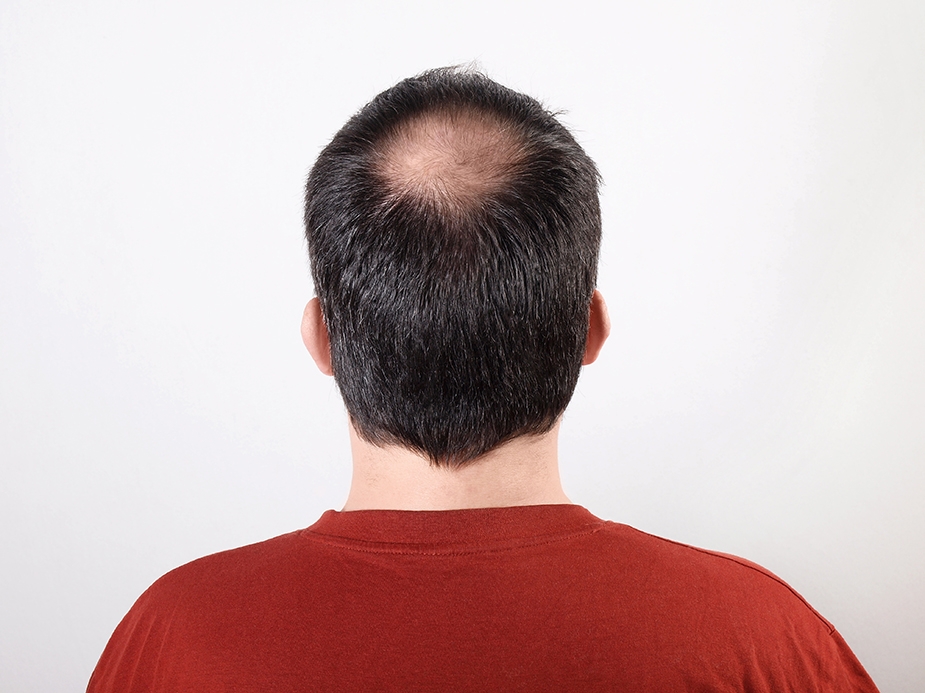
Most of us have the maximum hair volume before our twenties, although I have seen patients in their late teens experience significant hair loss. No matter what the age, losing your hair is devastating. Often people wake up one morning and notice that their hair is thinning. The reality is they had been losing hair for month, possibly years, but they didn’t know it. Hair loss crept up on them gradually until one day they saw their scalp through areas of hair. But for years the first signs of hair loss appeared in excess hair loss in your comb or brush and seen on the shower floor.

Facts about Hair Loss

  1. Genetics is the most common cause of hair loss. If a parent or ancestor was bald, it increases your chances of hair loss. Certain hair follicles are genetically more sensitive to hormonal changes, such as the front of the scalp back to the crown. The sides and the very back are genetically less affected.
  2. Hormonal—If dihydrotestosterone (DHT), which is a byproduct of testosterone, is elevated, this can cause hair loss in men and women. Checking the DHT levels is one of the tests that are often run on those becoming bald. There are medications that will reduce the conversion of testosterone to DHT. Birth control pills may cause hair loss. Taking supplemental testosterone can cause irreversible hair loss, because it is converted to DHT. Either hyperthyroidism (too much) or hypothyroidism (too little) can cause hair loss, but can be treated.
  3. Men who take anabolic steroids often lose hair because of the increase in DHT.
  4. Trauma such as major surgery, anesthesia, chronic illness, child birth, and severe emotional distress can result in hair loss. Fortunately, most of the hair begins to grow normally if the cause is resolved.
  5. Malnutrition often causes hair loss. An example is in the anorexic patient or crash diets.
  6. Drugs/medications—Accutane, Allopurinol, heparin, coumarin, Gemfibrozil and Clofibrate (the last two are cholesterol lowering medications) and more. If you suspect that a prescription drug is causing you hair loss, ask your physician or look it up on the Internet. A substitute medication may be available. Chemotherapy is famous for causing alopecia. Usually the hair growth returns when the chemotherapy is discontinued.
  7. Pulling hair into tight braids, pony tails and buns can cause hair loss that may become permanent over a long period of time.
  8. Scars from harsh chemicals often used to straighten the hair.


The Impact of Hair Loss

Millions of men and women are affected by hair loss. Although it’s more commonly thought of as a male problem, many women suffer with this problem. It’s just not something we talk about. Hair loss affects about 35 million men and 21 million women in the United States alone. The problem may be even more devastating in women, as lush hair is a sign of feminine beauty, and hair loss is not as expected in women.

Few people realize that in most cases hair restoration is a possibility for almost every case of hair loss. Our approach is first to diagnose the cause of your hair loss and then treat the problem at its core. In many cases the patient is on a medication that causes hair loss or they have a hormonal imbalance that needs addressing. There are actually nutrients that can reduce or reverse hair loss. If hair transplantation is needed, we use the NeoGraft FUE (follicular unit extraction) method, which is the latest technology in surgical hair restoration. It’s much less invasive and pain-free when compared to its predecessors, and its results are absolutely natural in appearance.

5 Steps to Treating Hair Loss

1.  Examine the patient–What type hair loss does the patient have? If a male, is it male pattern baldness? If female, is it like male pattern baldness or diffuse from all over the scalp? The male pattern is more successfully treated.

2.  Why did the patient lose hair? What is the diagnosis?

    • Traction Alopecia is cause by some form of constant pulling of the hair, such as braids, buns
    • High DHT (dihydrotestosterone), thyroid imbalances.
    • Medications that cause hair loss, such as Accutane, Allopurinol. Heparin, Coumadin, certain cholesterol lowering drugs.
    • Self-induced hair loss–called trichotillomania where the patient continuously pulls his/her hair out.
    • Male pattern baldness, which is treatable medically and surgically with NeoGraft FUE hair transplants.

3.  Medical methods of treatment are:

    • Correct any hormone imbalance, including elevated DHT, thyroid imbalances
    • Treat with Minoxidil 5% topically, 2% in women, but if unsuccessful, 5 % can be tried. Finesteride (Propecia) 1 mg per day. This comes as Proscar 5 mgm, which can be divided into four parts, which is much less expensive than Propecia. This is taken once a day. Certain over-the-counter supplements, such at Saw Palmetto may help as well.
    • Take the patient off any medications that cause hair loss.

4.  Supplements the patient can take that increase hair growth, such as BioSil, Hair Growth Essentials, Advecia, and many more name brands. Ingredients usually include Saw Palmetto, Beta-sitosterol (both of which reduce DHT), Silica, Biotin, Horsetail extract, Green tea extract and many more.

5.  Hair transplant with the NeoGraft FUE method, which yields a more natural look, is faster, less recovery time and leaves no linear scar in the posterior scalp. No sutures or staples are used, the graft “take” is much higher, and success is much higher. This is minimally invasive surgery done under local anesthesia.


  1. Medical methods of treatment are: